Wrinkles Are Not the Enemy: How Asian Beauty Wisdom Is Changing the Way Gen Z Thinks About Getting Older
Open any mainstream beauty magazine or scroll through a drugstore's anti-aging aisle and the message is pretty consistent: wrinkles are a problem. Fine lines are enemies. The goal, apparently, is to look like time never touched you.
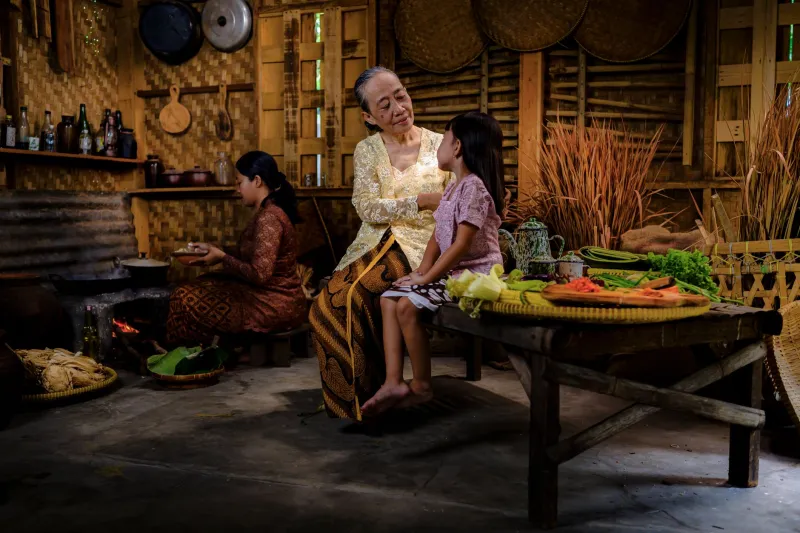
But spend an afternoon with Mei-Lin Nguyen, a 24-year-old beauty creator based in the San Gabriel Valley, and you'll hear a very different story. "My bà ngoại has these deep laugh lines around her eyes," she says, pulling up a photo on her phone of a woman in her seventies, smiling wide into the camera. "She's never once called them a flaw. Growing up, I thought that was just her being humble. Now I realize she was teaching me something."
That lesson — that aging skin carries dignity, not damage — is at the heart of a quiet but growing movement among young Asian Americans who are rejecting the anti-aging industrial complex and reaching back toward something older, gentler, and a lot more honest.
The Western Obsession With Freezing Time
Let's be real: the American beauty industry has a complicated relationship with aging. The global anti-aging market is projected to hit over $93 billion by 2027, and a huge chunk of that growth is driven by messaging that frames every decade after your twenties as something to be corrected. Retinol, Botox, filler, lasers — the tools get more aggressive, the language gets more clinical, and the underlying message stays the same: older is lesser.
For Asian American women especially, this creates a particularly tangled dynamic. On one hand, there's a long-standing stereotype that Asian women "don't age" — a backhanded compliment that flattens genetics, lifestyle, and skincare tradition into something exotic and unattainable. On the other hand, the pressure to chase Western beauty ideals of youthfulness is just as real, if not more so.
"There's this weird double bind," says Dr. Priya Anand, a board-certified dermatologist practicing in the Bay Area whose patient base is largely South and East Asian. "Patients come in having been told their whole lives they look young, and then they hit forty and suddenly they're supposed to panic about aging just like everyone else. The messaging is inconsistent because it was never really about them to begin with."
What the Grandmothers Actually Knew
Long before K-beauty became a $10 billion export and before jade rollers started showing up at Target, Asian skincare traditions were built around a fundamentally different premise: that skin is something you tend to, not something you battle.
Traditional Chinese medicine, Ayurveda, Korean hanbang herbalism, and Vietnamese folk beauty practices all share a philosophy rooted in balance, nourishment, and working with the body's natural rhythms rather than against them. Aging, in this framework, isn't a malfunction — it's a progression.
Jade Tran, a 26-year-old esthetician in Houston who trained in both Western cosmetology and traditional Vietnamese skincare methods, puts it plainly: "My mother's generation didn't have a 12-step routine. They had rice water, green tea, and camellia oil. They weren't trying to look 25 forever. They were trying to have skin that felt good and reflected how they lived."
This philosophy shows up in the details. Think of the Korean concept of mul-gwang — that dewy, luminous skin quality that's less about tightness and more about hydration and vitality at any age. Or the Japanese notion of wabi-sabi, which finds beauty in imperfection and transience. These aren't just aesthetic preferences; they're worldviews that make space for the face to change.
Gen Z Is Listening
Something interesting is happening on the skincare corners of TikTok and Instagram. Alongside the usual serums and glass-skin tutorials, a different kind of content is gaining traction — creators sitting down with their grandmothers to learn old recipes, dermatologists explaining why "anti-aging" is a marketing term more than a medical one, and young women openly questioning why they started worrying about wrinkles at 22.
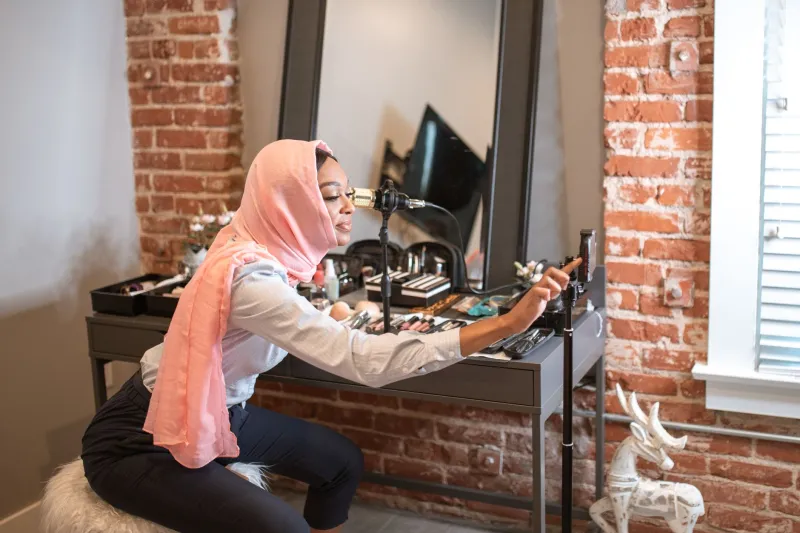
Mei-Lin's own channel, which focuses on what she calls "heritage beauty," has grown steadily over the past year. Her most-watched video? A quiet, unscripted moment where she films her grandmother's skincare routine — a few simple steps, some homemade toner, a lot of facial massage — and juxtaposes it with the 15-product regimen she'd been following from influencer recommendations. The comments filled up fast. "I cried watching this," one viewer wrote. "I've been so scared of getting older and this made me feel like maybe I don't have to be."
Dr. Anand sees this shift in her practice too. "More younger patients are coming in asking about maintaining their skin health rather than reversing aging. They want to understand their skin, not just throw products at it. That's a real change from even five years ago."
Reclaiming the Language of Aging
Part of what's happening here is linguistic as much as cosmetic. The phrase "anti-aging" has started to feel not just outdated but almost hostile to a generation that grew up watching body positivity conversations reshape how we talk about size, ability, and beauty standards more broadly.
"Why is aging the thing we're at war with?" asks Soo-Yeon Park, a 28-year-old beauty writer based in New York whose newsletter on Asian American wellness has a devoted following. "We talk about accepting all kinds of bodies, but then turn around and spend $200 on a cream to make sure nobody can tell we turned 30. There's a contradiction there."
For Soo-Yeon, reclaiming an Asian philosophy of aging isn't about abandoning skincare or pretending that external appearance doesn't matter. It's about reframing what the goal is. "My halmoni has beautiful skin. It's not wrinkle-free. But it's her skin. It tells her story. That's what I want for myself eventually."
What This Looks Like in Practice
So what does an aging-positive, heritage-informed skincare routine actually look like in 2025 America? According to the dermatologists and estheticians we talked to, it's less about specific products and more about a shift in intention.
Hydration over tightening. Nourishment over correction. Consistency over intervention. Facial massage — a staple in East and Southeast Asian traditions — is getting renewed attention not just for its lymphatic benefits but for the ritual itself, the act of touching your own face with care rather than scrutiny.
Jade Tran recommends her clients start with the basics that have sustained Asian beauty traditions for centuries: a gentle oil cleanse, a hydrating toner, SPF (always, always SPF), and a few minutes of facial gua sha or acupressure. "None of that is revolutionary," she says. "But it's sustainable. And it doesn't require you to hate where you are right now to get started."
The Glow That Comes With Time
There's something quietly radical about looking at an older woman's face and seeing something to aspire to rather than something to avoid. For a lot of young Asian Americans, that reframe starts at home — at the kitchen table, watching a parent apply oil before bed, or flipping through old family photos and noticing, for the first time, how beautiful everyone looks in them.
Mei-Lin still uses her serums. She's not anti-product. But she's changed the question she asks when she looks in the mirror. "I used to look and think, what do I need to fix? Now I think, what does my skin need today? It sounds small, but it's everything."
The glow-up, it turns out, doesn't require a war. Sometimes it just requires listening to your grandmother.